Everyday Life In St. Augustine’s Historic Heart
If you picture St. Augustine’s historic heart as a place you visit once in a while, you may be missing what makes it so appealing to live near. Daily life here blends walkable streets, bayfront views, older homes, local events, and the steady energy of a place that draws people year-round. If you are wondering what it really feels like to live in or around Historic Downtown, this guide will help you understand the pace, housing options, and tradeoffs so you can decide if it fits your lifestyle. Let’s dive in.
Living in St. Augustine’s historic core means your surroundings shape your routine in simple ways. Historic Downtown is the city’s oldest area, with many buildings dating to the 1700s and more than 20 historic sites within a walkable core listed on the National Register. That gives everyday errands, meals, and evening walks a setting that feels distinct from newer parts of town.
A lot of that daily rhythm centers on the bayfront. Walks along Matanzas Bay, views of the Bridge of Lions, waterfront dining, and sunset strolls are part of the normal experience downtown. Even if you are not out sightseeing, the water remains part of how the area feels from morning to evening.
The layout also matters. The district is compact enough to explore on foot, which changes how you move through the day once you are already in the area. Instead of driving from stop to stop, you are more likely to park, walk, and let the neighborhood unfold around you.
Historic Downtown often feels calm in the early part of the day and busier later on, especially around weekends, holidays, and major events. That changing pace is part of the lifestyle. Some buyers love the energy, while others prefer a quieter setting a little farther from the center.
Dining and nightlife also play a role in the area’s personality. Downtown includes a range of restaurants, including waterfront spots and places known for Minorcan flavors, along with historic taverns, craft cocktail bars, and live music venues. If you enjoy being able to step into an active evening scene without a long drive, that can be a real plus.
In St. Augustine’s historic heart, the social calendar is not just background noise. It helps shape the feel of the neighborhood throughout the year. Recurring events include the monthly First Friday Art Walk, seasonal live music, historical reenactments, the Aviles Street Festival, and September’s Sing Out Loud Music Festival.
Then there is Nights of Lights, which brings a major seasonal shift to downtown activity. It is beautiful and memorable, but it also means more visitors, more traffic management, and a different pace for getting around. If you are considering living in the historic core, it helps to think about whether you would enjoy that lively rhythm or find it tiring over time.
This area tends to suit buyers who enjoy being close to culture, music, restaurants, and community events. You may appreciate the convenience of being able to walk to an art event or spend an evening by the bay without planning a full outing. If you prefer quiet streets and a more predictable pace every day, nearby areas may offer a better fit.
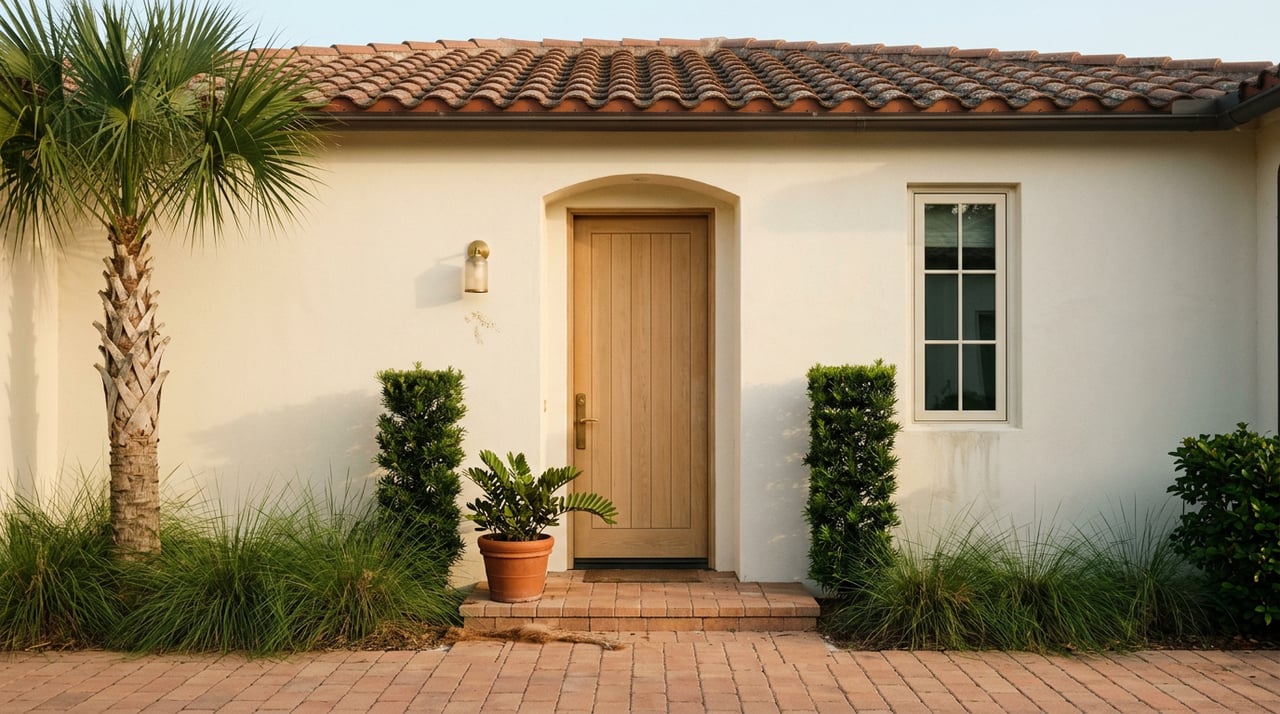
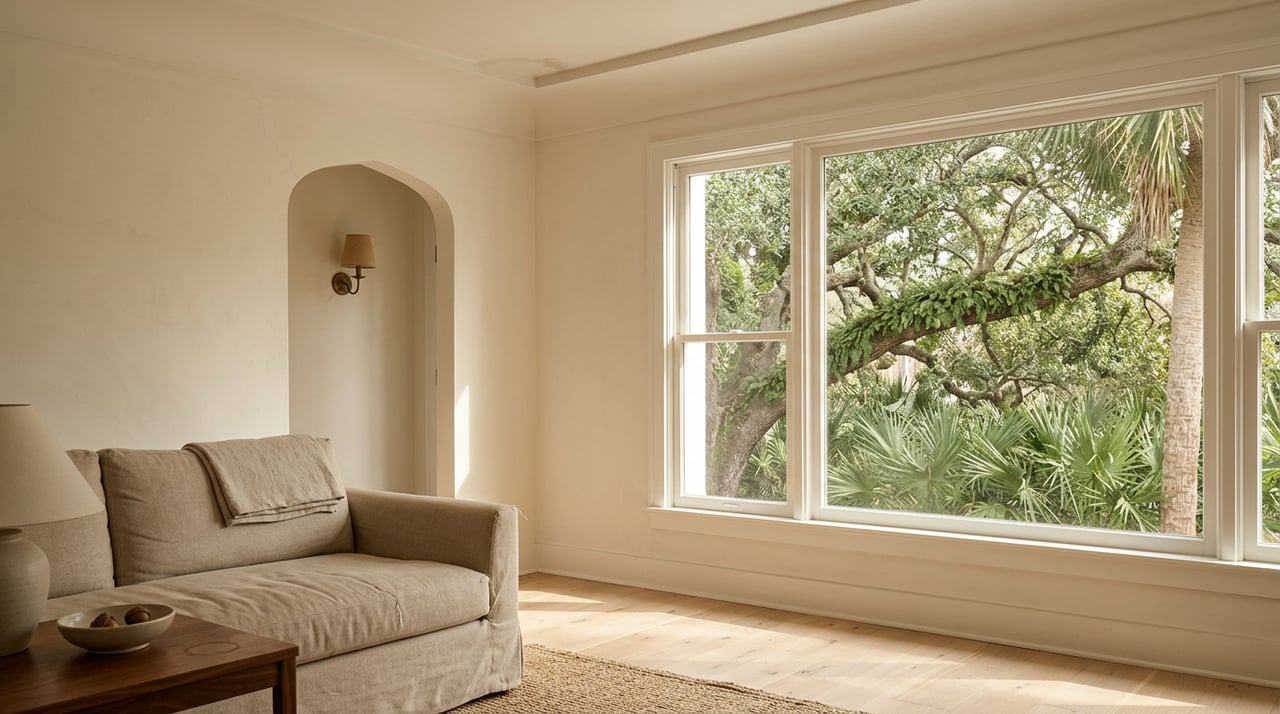
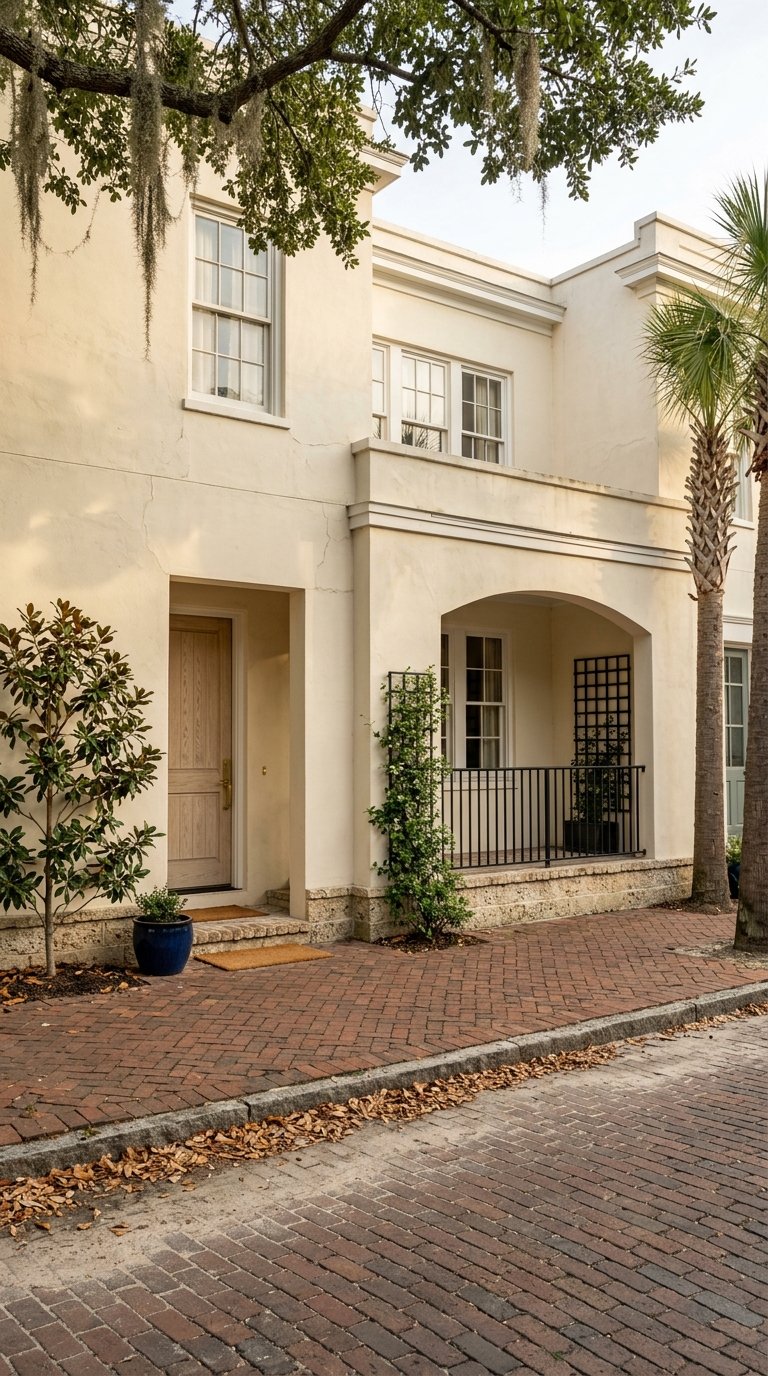
One of the biggest surprises for many buyers is that the historic heart does not have just one housing style. The area includes standalone residential buildings, preserved structures, and mixed-use properties with residential units above commercial spaces. That creates a layered housing pattern that feels different from a typical subdivision.
You may find historic homes tucked along side streets or apartments above downtown shops. For some buyers, that mix is part of the appeal because it offers character and a more connected, urban feel. For others, it may raise practical questions about parking, noise, and day-to-day convenience.
A few nearby neighborhoods expand the picture if you want historic character without being right in the center of downtown. Lincolnville includes a large collection of 19th- and early-20th-century residences and churches. The Flagler Model Land area includes renovated historic homes, vacation rentals, bed-and-breakfasts, and long-term apartments.
That wider historic area gives you more flexibility. Depending on your goals, you may be choosing between an older single-family home, a multifamily-style setting, or a property near mixed residential and visitor activity. This is where local neighborhood guidance can make a real difference, because small location changes can shift the lifestyle quite a bit.
St. Johns County as a whole is still strongly car-oriented. According to the county’s 2024 community health assessment using ACS data, 70.3% of workers drove alone to work, 6.6% carpooled, 1.5% walked or biked, and 0.1% used public transportation. U.S. Census QuickFacts reports a 26.9-minute mean travel time to work for workers age 16 and older in the 2020 to 2024 ACS period.
The historic core works a little differently once you are there. The city operates the free STAR Circulator bus service, and downtown is generally best experienced on foot. During major seasonal periods like Nights of Lights, the city also uses park-and-ride shuttles, a downtown STAR loop, a beach shuttle, rideshare geofencing, and temporary road closures to manage traffic and pedestrian flow.
Parking is one of the clearest tradeoffs of downtown living. The Historic Downtown Parking Garage offers convenient access, but street parking can be limited during peak times. In daily life, that usually means the area feels easy and enjoyable once you are parked and walking, but less convenient when traffic is heavy or events are underway.
For some people, that tradeoff is worth it for the walkability and atmosphere. For others, especially if you commute by car every day or want quick in-and-out access, a nearby neighborhood outside the busiest core may feel easier.
One reason this part of St. Augustine stands out is that you are not choosing between historic charm and outdoor recreation. You can have both. The bayfront defines downtown, and Anastasia Island adds another layer of coastal access just about 4 miles from Historic Downtown.
Anastasia Island stretches 14 miles along the coast and includes beaches, residential areas, and attractions along the Bridge of Lions-to-beach corridor. That makes it a natural option for buyers who want to stay connected to St. Augustine while shifting closer to the beach or away from the downtown grid.
Anastasia State Park is a major nearby outdoor anchor with more than 1,600 acres of beaches, dunes, marshes, trails, and wildlife habitat. The park offers activities like kayaking, canoeing, fishing, hiking, paddling, surfing, swimming, walking, running, birding, and camping, along with about 4 miles of protected shoreline.
That nearby access expands your choices for everyday recreation. You might spend one day walking downtown and another at the beach or on a trail. For many buyers, that balance is a big part of the appeal of living in St. Augustine.
Every location has compromises, and the historic heart is no exception. The biggest ones here are crowding, parking pressure, and the extra planning that can come with a coastal historic area. If you are drawn to older homes and a walkable setting, it is smart to balance the romance of the location with the realities of ownership.
The City of St. Augustine’s Historic Preservation Master Plan addresses redevelopment pressures along with flooding from storm events and sea-level rise. For buyers, that means due diligence matters. You may need to pay closer attention to property condition, maintenance expectations, and location-specific flood considerations than you would in a newer inland neighborhood.
The historic heart is often a strong fit if you value walkability, culture, water access, and a setting with real character. It may be less ideal if your top priorities are privacy, quiet, easy parking, or a fully car-free lifestyle across the wider region. Knowing your daily habits matters just as much as liking the look of the neighborhood.
That is why a lifestyle-focused home search can be so helpful. In St. Augustine, being only a few blocks or a few miles away can change your day-to-day experience in a big way.
If you are exploring Historic Downtown, Lincolnville, Flagler Model Land, or nearby coastal options like Anastasia Island, working with a local team can help you compare not just homes, but how each area may actually feel once you live there. For thoughtful guidance on St. Augustine’s neighborhood differences, relocation questions, and coastal lifestyle choices, reach out to Karen Lindsey.
Lighthouse Realty has been in business in the St. Augustine area for over 30 years. We are open 7 days a week to provide you with the best real estate service in St Augustine.